
Radon Exposure in Michigan: Why Testing Your Home Matters
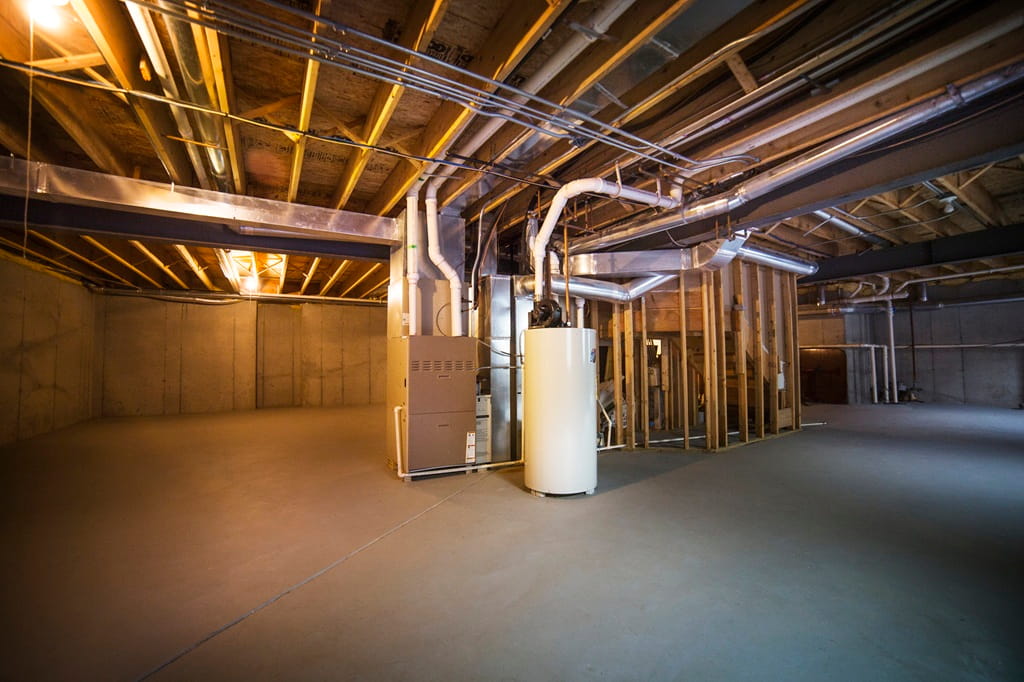
Radon has no smell, color, or taste—and exposure causes no immediate warning symptoms. You can feel healthy and still have elevated radon levels in your home. That’s why testing matters for Michigan homeowners.
According to Michigan’s Department of Environment, Great Lakes, and Energy (EGLE), approximately one in four Michigan homes is expected to have radon levels above the federal action level. Testing is the only way to know your home’s radon level.
What Is Radon, and How Does It Enter Michigan Homes?
Radon is a naturally occurring radioactive gas released as uranium breaks down in soil and rock. It can move from the ground into a home through concrete floors, foundation cracks, gaps, and other openings.
Radon can accumulate in new or older homes, whether they are tightly sealed or drafty, and whether or not they have a basement. A home’s appearance or condition cannot tell you its radon level.
Even your neighbor’s test result cannot tell you what is happening inside your home. Radon levels can vary significantly between nearby properties, making individual testing essential.
Are There Early Symptoms of Radon Exposure?
There are no immediate symptoms that warn you of radon exposure. Waiting for a cough, breathing trouble, or another health concern is not a reliable way to identify a radon problem.
The established health risk is an increased chance of developing lung cancer from exposure over time. People who smoke face an even greater risk, but radon also poses a risk to nonsmokers. EPA identifies lung cancer as the only health effect definitively linked to radon exposure.
For Michigan families, the practical step is to test the home rather than wait for a warning sign.
What Should You Do About Elevated Radon Levels?
EPA recommends fixing a home when radon levels are 4.0 picocuries per liter (pCi/L) or higher. However, 4.0 is an action level—not a boundary between harmless and harmful exposure. There is no known risk-free radon level, so reducing exposure is the goal.
If your testing confirms elevated levels, a radon mitigation system can help reduce the amount of radon entering your living space.
How Does Radon Mitigation Work?
A common mitigation method uses a fan and piping to draw soil gas from beneath the home and discharge it outdoors above the roof. This helps capture radon before it enters the home.
Follow-up testing is essential to verify the results. A running fan alone does not confirm that radon levels are low, and installing a system does not eliminate the need for future testing. EPA recommends retesting homes with mitigation systems at least every two years to check that levels remain low.
Radon Testing and Mitigation for Michigan Homeowners
Michigan Better Environmental has provided radon mitigation services since 2014. We help Michigan homeowners understand their radon results, evaluate mitigation options, and take practical steps to reduce exposure.
Whether you are buying a home, selling one, or checking the home you have lived in for years, start with testing.
Contact Michigan Better Environmental to discuss radon testing and mitigation for your Michigan home!
